My hobby, like most hobbies, started out as a fling. I was in the sixth grade and my classmate was infatuated with an older man ( I think he was an eighth grader), and so my story telling abilities were born. Every day I crafted a tale about the two of them. I wish I still had it. I bet it was terrible and filled with angsty love sick drama.
Little did I know it was going to began an obsession I didn’t know how to shake or what to do with it.
I started dabbling when the mood would strike. I would write a paragraph or maybe even 5000 words or more and have half a story, but I would get stuck and stop. I would walk away. Telling myself I would come back when I figure it out. And then I would really commit. Suddenly, months and years passed and those stories just remained untouched and unfinished in notebooks.
Sound familiar?
The truth is, discipline isn’t just for gym rats and corporate ladder climbers — it’s the secret sauce that takes your hobby from casual fling to long-term love story.
And no, adding discipline doesn’t have to kill the fun. In fact, it can make your hobby way more satisfying.
Hobbies are supposed to be fun — your little rebellion against the structure of work, bills, and “grown-up” life. So the thought of scheduling your watercolor practice or setting a goal for your baking hobby can feel… wrong.
A little structure is what I needed to get out of stuck and back into loving to write.
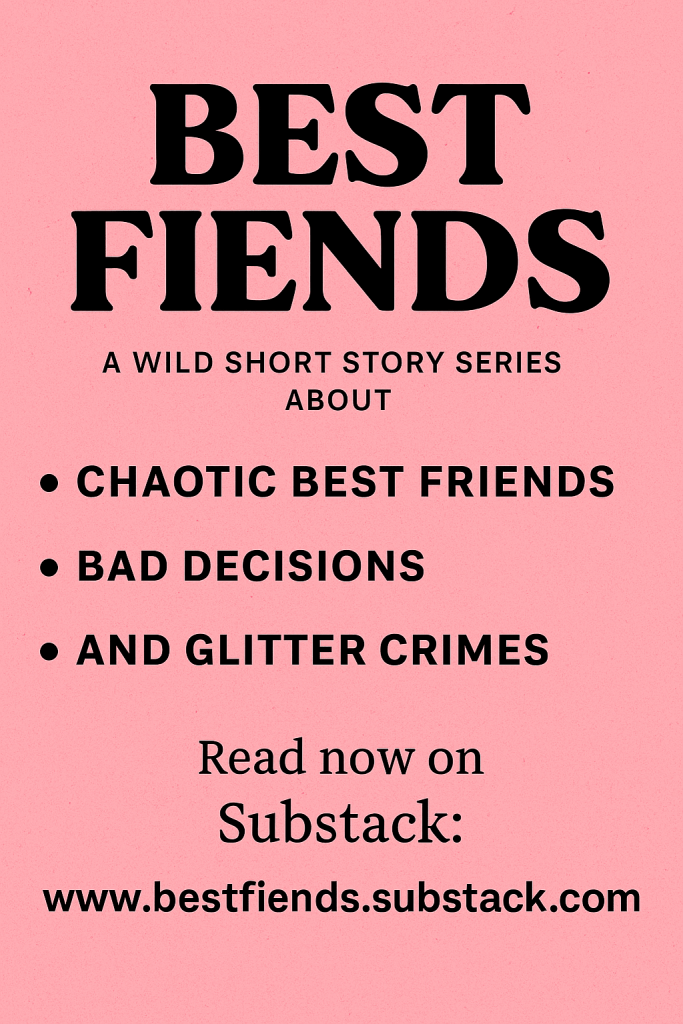
I have started getting more focused with writing. I have two different platforms I have been creating stories on and posting. I have a dedicated word count to hit every day. And I have this little blog.
I am able to come back to this blog because of the structure and discipline I ‘ve put in place. I started writing for me, and stopped putting pressure on myself to write 80,000 words. . I listen to my voice and my muse. It’s how I ended up slowing down and just writing little shorts.
I have daily reminders and tasks and skills to build. I want to get really good at this little hobby of mine and to do that I need to practice. Every single day.
Mornings are now mundane and filled with routine. I have exercises to do and homework to do before I ever get to the actually writing part of my day. It’s a warm up to help my brain focus on the task.
But here’s the trap: without a little structure, my hobby would remain in my notebook. Just another dream turning to dust.
If you want to get better at something — whether it’s knitting, woodturning, photography, or salsa dancing — you have to treat it like both a playground and a training ground.
Think of yourself as an “artist athlete.” Fun gets you started, but practice keeps you sharp. That means showing up even when you’re not “feeling it” — because skills grow in the repetition, not the rare bursts of inspiration.
According to Google here are some Practical Ways to Build Hobby Discipline:
1. Schedule It Like a Workout
Block time in your calendar just like you would for the gym or a meeting. Same day, same time each week — non-negotiable.
2. Set Micro-Goals
Forget vague goals like “get better at guitar.” Try “learn one new chord this week” or “bake two new bread recipes this month.” The smaller the goal, the more likely you’ll stick with it.
3. Track Your Progress
Keep a journal, a photo album, or a spreadsheet. Seeing your skill level improve over time is addictive — and it’ll push you to keep going.
4. Mix Drills with Free-Play
Dedicate some time to skill drills (practicing scales, working on stitches, testing new camera settings), but also allow space for pure play where you create with zero rules.
5. Build in Rest Days
Even with hobbies, burnout is real. A rest day keeps you from associating your hobby with pressure. So when I am mentally tired, I give myself the day off from the pressure of trying to finish my chapter or create more of my short story. I have deadlines, but just like a gym routine; I rest when my mind tells me it needs a break.
I commit to showing up — even for just 20 minutes a day — my hobby stops being something I have to squeeze in and starts becoming part of my identity. I find myself thinking about it more, improving faster, and, ironically, having more fun because I’m finally seeing real results.
Bottom line: You don’t have to choose between fun and discipline. The sweet spot is when they work together. Show up for your hobby like it’s an unmissable date, and soon it won’t feel like effort — it’ll just feel like who you are.
Until next week.
You can find me and my short stories on Substack : Substack.com/@tessaburmanwrites and Wattpad (where I write under my pen name TL Wilde). I have three chapter from a short story called Soft Launch.
love and chaos,
Tessa





 Tessa
Tessa 